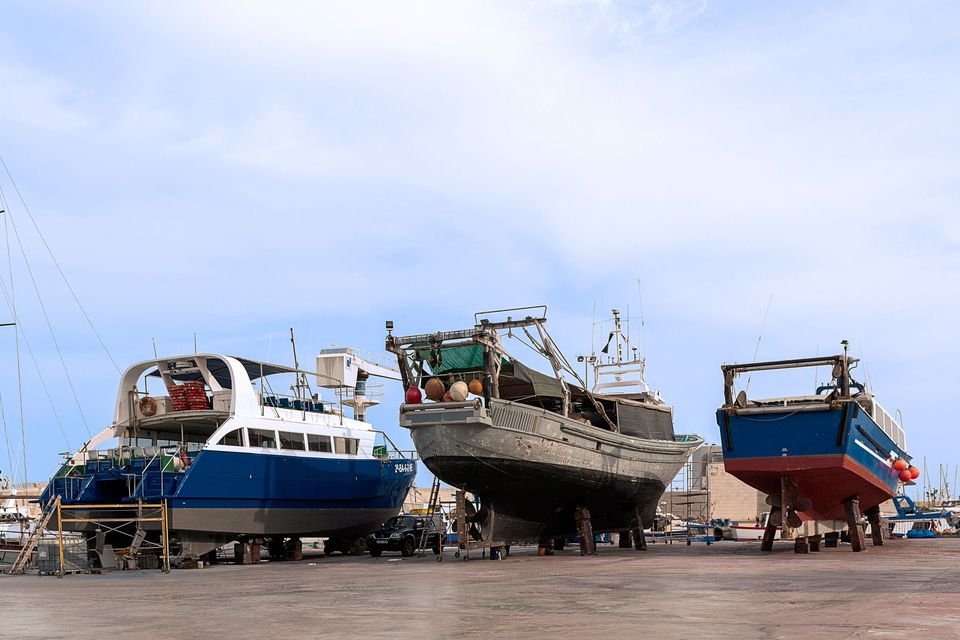
After a winter lay-up, spring commissioning (de-winterizing) is how you bring the boat back into safe service before the first launch. Discover Boating, the consumer program of the National Marine Manufacturers Association (NMMA), says a thorough spring checklist gives the season a smoother start and helps you catch problems before they become mid-season repairs.
This guide follows Discover Boating's spring commissioning outline and points to related care pages for batteries, fuel, trailers, safety gear and the first short run. Always follow your engine and boat makers' manuals for the exact de-winterize steps for your model; procedures differ.
The reverse of this checklist is winterizing your boat. Jobs by season are also in the maintenance calendar. Budget for spring service and gear in the True Cost tool.
Prep the engine
Discover Boating's spring guide says to follow manufacturer-specific steps for your engine type, then run the engine on a flush system before you launch to confirm everything works. Have the owner's manual handy, or take the boat to a pro for spring commissioning if you're unsure.
Inboards (Discover Boating): reconnect hoses, inspect belts for wear, and check the cooling system. If the boat has a raw-water system, flush it thoroughly before starting.
Outboards (Discover Boating): reinstall the drain plug, check the fuel line for cracks, and inspect the propeller for damage. Grease fittings and change the lower-unit oil if needed.
Sterndrives (Discover Boating): examine the bellows for cracks or leaks, lubricate moving parts, and check the power steering and trim fluids.
Engine-care basics also appear in Discover Boating's motor-maintenance guide. For fogging, antifreeze and lay-up steps you may be reversing, see winterizing.
Plumbing, antifreeze flush and thru-hulls
Boats with freshwater systems, heads, sinks and showers should have been treated with antifreeze in the fall (Discover Boating). After months idle, water systems can develop blockages or leaks.
Discover Boating's spring steps:
- Flush hoses and lines with fresh water until you're sure all the antifreeze is gone.
- Inspect hoses and fittings for cracks or loose connections.
- Flush the freshwater system and test faucets, showers and sinks.
- If the boat has a head, pump out and sanitize the holding tank (MSD types, NDZs and finding stations: pump-outs and clean boating).
- Confirm the bilge pump runs smoothly and the float switch works.
Thru-hulls and seacocks. Discover Boating's winterizing guide describes closing the intake seacock for boats left in the water (then antifreezing the raw-water side) and opening seacocks so they can drain when the boat is on land. Before you need cooling water, washdown or livewell flow in the spring, confirm each seacock you closed or opened for lay-up operates freely, and that the hoses and clamps on those fittings are sound as part of the hose-and-fitting inspection above. Do not force a stuck seacock; have a yard or mechanic free it.
Batteries and electrical
Discover Boating notes many owners remove batteries for winter and keep them on a maintenance charger, then reinstall them with the leads connected properly. Even if batteries stayed aboard, hook up a charger before you try to launch—a dead battery is one of the most common start-of-season problems.
Before launch (Discover Boating):
- Batteries securely mounted, connected properly and fully charged.
- Replace a battery that is weak or won't hold a charge.
- Test navigation lights, bilge pumps, radios, GPS and other electronics.
- Clean corroded terminals with a wire brush if needed.
We don't publish charge voltages or charger settings here. For battery types, charging programs, winter storage and when to call a pro, see marine battery care and safety.
Fuel system and ethanol
Fuel issues are another common spring problem (Discover Boating). Over time, fuel lines can become brittle; small cracks can leak.
Discover Boating's spring fuel checks:
- Inspect fuel hoses, tanks and fittings for wear, corrosion or damage.
- Replace cracked, dry or soft fuel lines.
- Confirm clamps and connections are secure, and check the fuel vent so it isn't blocked.
- If the boat was stored with fuel, add a fresh fuel stabilizer before running the engine.
Ethanol-blended gasoline left untreated can phase-separate, leaving a corrosive water-soaked ethanol mixture at the bottom of the tank (Discover Boating guest post with BoatUS/AMA). Federal rules also make E15 illegal in marine engines. For what fuels are legal, dockside fueling and ethanol storage practice, see fuel and ethanol.
Hull, canvas and general maintenance
Discover Boating's spring upkeep list:
- Wash and wax the hull.
- Inspect vinyl, canvas and upholstery for mold, tears or fading; clean and treat with UV protectant as needed.
- Check the hull for damage; paint or apply a protective coating if needed.
- Clean the deck, non-skid and compartments to limit mildew and dirt.
Trailer lights and road checks
If you tow, check the trailer before the first haul to the ramp. Mercury Marine's basic trailer-maintenance page covers tire pressure (including the spare), wheel bearings and lights: clean corroded ground and connector contacts, protect chafed wiring, and replace burned-out bulbs (LED lights need replacement less often; dielectric grease on bulb sockets helps limit corrosion).
At the ramp, Discover Boating says to unplug trailer lights before backing into the water so cold water doesn't hit hot bulbs, then plug them back in and recheck before you drive away. Full hitch, tire, bearing and light detail is in trailer safety and maintenance. The printable Launch Day checklist covers staging, backing, launch and retrieval order.
Safety gear dates and condition
Spring is the right time to confirm required safety gear is aboard and serviceable before the first trip.
Fire extinguishers (Discover Boating): they must be marine-rated and Coast Guard–approved where federal rules require them, fully charged, accessible and in good condition. Expired or damaged extinguishers don't count. Monthly-style checks Discover Boating lists include: gauge pressure, corrosion/leakage/damage, locking pin and unbroken tamper seal, and expiration dates—many newer disposable extinguishers must be replaced every 12 years or by the marked date; rechargeable dry-chemical units should be gently shaken to keep the agent loose. Full carriage tables and fire-emergency steps: boat fire extinguishers and fire safety.
Life jackets (PFDs) and flares. Confirm wearable life jackets are Coast Guard–approved, the right size for each person, and in usable condition (USCG Boating Safety life-jacket brochure). Check dates on pyrotechnic visual distress signals and replace expired ones; counts and types by boat length are in required safety equipment by length (33 CFR Part 175). A free Vessel Safety Check from the U.S. Coast Guard Auxiliary is a good spring habit.
Carbon monoxide alarms. If the boat has enclosed spaces, an engine or a generator, press-test each CO alarm, confirm exhaust water flow when you first start engines/generators for the season, and put the Coast Guard trip and monthly CO lists back on your calendar—full guide: carbon monoxide safety on boats.
Paperwork before launch
Discover Boating's spring guide also says to review boat insurance: confirm the policy is active and up to date, and that upgrades or modifications are covered. Check that registration (and documentation, if applicable) is current—renewal timing varies by state; use State Rules and registration, titling and documentation. Insurance detail: boat insurance explained.
Shake-down cruise (sea-trial notes)
With commissioning done, Discover Boating recommends a shake-down cruise: a short first run of the season to catch issues before they matter. That quick trip can reveal a weak battery, a minor leak or other problems while you're close to help. Keep the first outing short, stay near a harbor or ramp, and recheck bilge, gauges, steering, shifting and cooling-water flow after you shut down.
For a structured first-purchase sea trial (different from spring shake-down), see the sea trial checklist and the printable sea trial checklist. For ramp day order, use Launch Day.
When to call a pro
Take the boat to a dealer or qualified marine technician when:
- you're unsure of the manufacturer de-winterize procedure for your engine;
- a seacock is stuck, a bellows is cracked, or fuel lines are soft or swollen;
- a battery won't hold a charge, or you're changing battery chemistry (see marine battery care);
- you smell fuel, see leaks, or find wiring damage.
Sources
- Spring commissioning checklist (engine by type, plumbing/antifreeze flush, batteries/electrical, fuel system, general maintenance, insurance review, shake-down cruise): Discover Boating (NMMA), "How to Get Your Boat Ready for the Season." https://www.discoverboating.com/ownership/maintenance/spring-commissioning-checklist
- Winterizing reverse context; seacock close (in-water) and open-to-drain (on land): Discover Boating (NMMA), "Winterizing Your Boat: Step-by-Step Guide." https://www.discoverboating.com/ownership/storage/winterizing
- Engine-care overview linked from spring guide: Discover Boating, "Boat Motor Maintenance & Engine Care." https://www.discoverboating.com/ownership/maintenance/marine-engines
- Ethanol phase separation; E10 stabilizer / portable-tank advice; E15 illegal in marine engines (context): Discover Boating guest post (BoatUS/AMA). https://www.discoverboating.com/resources/winterization-and-ethanol-blended-fuels
- Fire extinguisher USCG marine-rated requirement summary; expired/damaged don't count; gauge, pin, seal, expiration (12 years / marked date); shake rechargeable dry chemical: Discover Boating, "Fire Extinguishers." https://www.discoverboating.com/resources/fire-extinguishers
- Unplug trailer lights before launch (hot bulbs / cold water): Discover Boating, "How to Launch a Boat." https://www.discoverboating.com/resources/launching-a-boat
- Trailer tire pressure, bearings, light connectors/grounds, chafing, bulbs, dielectric grease: Mercury Marine, "Basic Trailer Maintenance." https://www.mercurymarine.com/us/en/service-and-support/owners-resources/maintenance-made-easy/basic-trailer-maintenance
- Life jacket approval and condition (choose/wear right jacket): U.S. Coast Guard Boating Safety, "How to Choose the Right Life Jacket" brochure. https://uscgboating.org/images/howtochoosetherightlifejacket_brochure.pdf
- Federal carriage requirements (PFDs, extinguishers, VDS and related): 33 CFR Part 175 (eCFR). https://www.ecfr.gov/current/title-33/chapter-I/subchapter-S/part-175
- Free Vessel Safety Check: U.S. Coast Guard Auxiliary. https://www.cgaux.org/vsc/
- State agency commissioning tips: Alaska DNR Office of Boating Safety and Florida FWC boating safety-education pages were fetched; neither published a spring commissioning checklist on the pages retrieved (education/loaner/registration focus only).