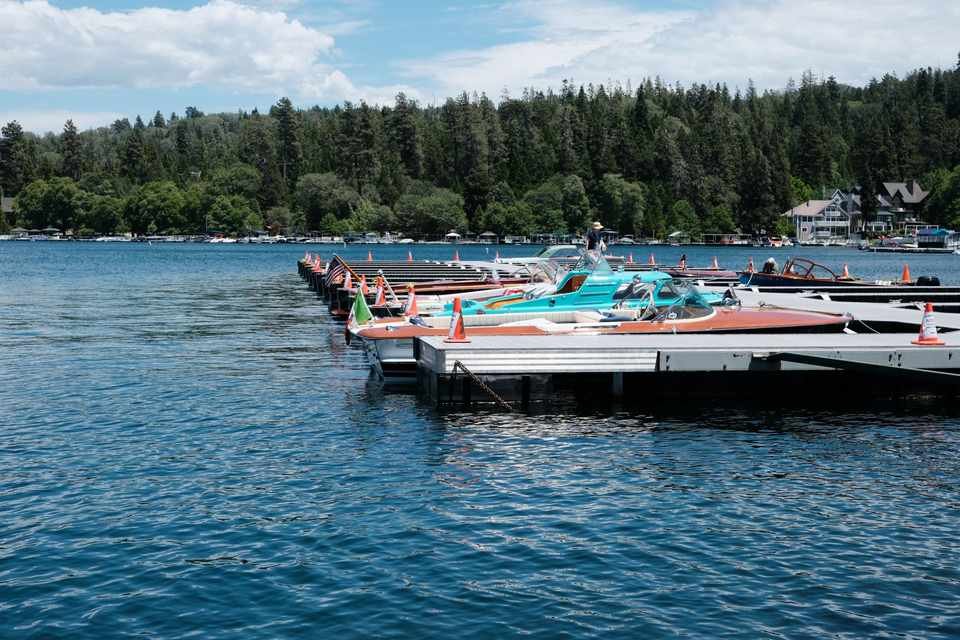
Hot, humid days on the water add glare, reflected UV, and limited shade to the same heat stress people face ashore. The National Weather Service warns that when the body heats faster than it can cool—or loses too much fluid or salt through sweating—heat-related illness can follow, and some groups are more vulnerable than others. Discover Boating’s hot-weather and sun-safety pages put the same first habits in plain order: check the forecast, plan around peak heat, pack water, use shade, protect skin and eyes from UV, watch the crew for early warning signs, and treat heat stroke as an emergency.
This page summarizes NWS “Heat Safety Tips and Resources” and “Heat Cramps, Exhaustion, Stroke” (the latter citing CDC warning signs and first aid); Discover Boating’s boating-hot-weather, sun-safety-for-boaters, emergency-preparedness, weather-for-boaters, and labor-day-boating pages; the USCG life-jacket wear page; Float Plan Central; and the USCG Boaters Guide float-plan / pre-departure habits—only. Those sources do not publish brand sunscreen or cooling-gear rankings—and we do not invent core-temperature or survival clocks beyond figures those pages state. Pair this guide with hypothermia and cold-water immersion response basics (the cold-water counterpart), thunderstorms, lightning and severe weather, carbon monoxide safety (headache / nausea / dizziness can overlap—do not assume “just heat” or “just seasickness”), required safety equipment by length, VHF marine radio basics, EPIRB, PLB and distress beacons, the printable Launch Day checklist, and State Rules.
What heat does on the water (plain language)
Heat stress (NWS heat safety + heat-illness): In extreme heat and humidity the body’s cooling is challenged. NWS: when the body heats too rapidly to cool properly, or when too much fluid or salt is lost through dehydration or sweating, body temperature rises and heat-related illness can follow. NWS heat safety: everyone can be vulnerable; young children and infants, older adults (especially with pre-existing disease, certain medications, living alone, or limited mobility), people with chronic medical conditions, and pregnant women are called out as higher risk—check on friends and relatives in those groups, especially without air conditioning.
Heat cramps (NWS citing CDC): May be the first sign of heat-related illness and may lead to heat exhaustion or heat stroke. Symptoms: painful muscle cramps/spasms usually in legs and abdomen; heavy sweating. First aid: firm pressure or gentle massage on the cramping muscle; sips of water unless the person has nausea (then stop water); seek immediate medical attention if cramps last longer than 1 hour.
Heat exhaustion (NWS citing CDC + Discover hot-weather): NWS/CDC list: heavy sweating; weakness or tiredness; cool, pale, clammy skin; fast, weak pulse; muscle cramps; dizziness, nausea or vomiting; headache; fainting. Discover’s hot-weather page lists a matching set (heavy sweating; weakness/fatigue; dizziness or fainting; nausea/vomiting; cool moist skin; muscle cramps; headache; rapid pulse). First aid (NWS): move to a cooler place (preferably air-conditioned); loosen clothing; cool wet cloths or a cool bath; offer sips of water; seek immediate medical attention if the person vomits, symptoms worsen, or symptoms last longer than 1 hour.
Heat stroke (NWS citing CDC + Discover hot-weather): A severe medical emergency—delay can be fatal. NWS/CDC symptoms: throbbing headache; confusion; slurred speech; nausea; dizziness; body temperature above 103°F; hot, red, dry or damp skin; rapid and strong pulse; fainting or loss of consciousness. Discover: core body temperature above 103°F (39.4°C); altered mental state or behavior; hot dry skin; rapid strong pulse; nausea/vomiting; flushed skin; throbbing headache. First aid (NWS): Call 911 or get the person to a hospital immediately; move to a cooler (preferably air-conditioned) place; reduce body temperature with cool cloths or a bath; use a fan only if heat-index temperatures are below the high 90s—NWS: a fan can make you hotter at higher temperatures; Do NOT give fluids. Discover: seek medical attention immediately and cool the person with any means available. We report each source’s wording and do not invent a single universal core-temp clock beyond the attributed 103°F figures.
Symptom overlap with CO (cross only): Headache, nausea, weakness, and dizziness also appear on the Coast Guard’s carbon monoxide symptom lists—and CO can build up on a boat even on a hot day. If engines, generators, or cabin heaters are running or exhaust may be present, treat “seasickness-like” symptoms as possible CO until you are sure they are not; see carbon monoxide safety.
Before you leave — forecast, water, shade, sun, float plan
Check the forecast (Discover hot-weather + weather-for-boaters + thunderstorms sibling): Hot weather amplifies boating risk. Discover hot-weather: understand expected temperatures and conditions before you go. Pair with marine forecasts and the severe-weather habits in thunderstorms, lightning and severe weather.
Plan around peak heat (Discover hot-weather): Discover: early mornings and late afternoons are generally cooler; that page’s example windows are about 4–7 a.m. or after 4 p.m. when the sun’s intensity is lower—attribute Discover’s wording; local climate and season vary.
Hydration and supplies (Discover hot-weather / labor-day / emergency preparedness): Pack plenty of water and electrolyte drinks; Discover: alcohol and caffeinated drinks can dehydrate—best avoided for this purpose; drink consistently even if you do not feel thirsty; everyone aboard—including pets—needs access to fresh, cool water. Emergency-preparedness kit list includes drinking water plus sunscreen, sunglasses, and rain gear. Labor Day tips: pack plenty of water and sunscreen for everyone on board.
Sun protection (Discover sun-safety + hot-weather): Discover sun-safety: apply sunscreen to exposed skin; reapply every two hours, after swimming, or when sweating heavily; do not skip lips, hair part, tops of ears and feet, backs of legs; lip balm at least SPF 15; apply 15–30 minutes before going out; Discover cites the American Academy of Dermatology for a water-resistant, broad-spectrum SPF of at least 30. Discover hot-weather: lightweight, light-colored, moisture-wicking fabrics; wide-brim hat; UV-protective sunglasses. Discover sun-safety: UPF-rated clothing (example: UPF 50 allows only 1/50 of UVA/UVB); polarized lenses help cut water glare. No brand sunscreen or clothing picks here.
Shade on the boat (Discover sun-safety + hot-weather): Use built-in shade—Bimini tops, hardtops, T-tops, or a canopy/umbrella as Discover describes—and take breaks out of direct sun. Hot-weather: good ventilation (cross-breeze through windows/hatches when practical); keep electronics out of direct sun.
Life jackets, float plan, call for help (USCG life-jacket wear + Boaters Guide float plan + Float Plan Central + Discover emergency preparedness): Heat fatigue does not remove the need for flotation—wear a USCG-approved life jacket underway. Leave a float plan with a responsible person ashore. Carry a way to call for help—VHF Channel 16 is the common distress path. Build the habit into the printable Launch Day checklist. Detail: required safety equipment by length, VHF radio basics, EPIRB / PLB guide.
Passenger brief (Discover emergency preparedness + hot-weather monitor-health note): where jackets are, how to use the VHF, and—on a heat day—signs of heat exhaustion vs heat stroke and where the water/shade are. Discover hot-weather: buddy system in extreme heat so someone can help if heat stroke or dehydration hits.
Vehicles at the ramp (NWS heat safety): NWS: it is NEVER safe to leave a child, disabled person, or pet locked in a car—even in winter; kids can die in hot cars in about 10 minutes (NWS wording). Same habit at the boat ramp and parking lot.
If someone shows heat illness — high-level response
Paraphrase only from the cited NWS (citing CDC) and Discover hot-weather pages—no invented clinical protocol:
- Recognize the band. Cramps → exhaustion → stroke can progress. Confusion, slurred speech, fainting, or a very high body temperature push the scene toward heat stroke.
- Heat exhaustion / cramps: Stop activity; move to shade or the coolest place available; loosen clothing; cool with wet cloths or a cool bath when you can; sips of water unless nauseated. Seek medical help if vomiting, worsening, or symptoms last more than about an hour (NWS), or if cramps last more than an hour.
- Heat stroke: Call 911 / marine rescue / VHF Channel 16 as the scene requires—get emergency medical care immediately. Cool the person (cool cloths/bath; Discover: any available means). NWS: do not give fluids in heat stroke; be careful with fans when the heat index is in the high 90s or above.
- Call early if you are unsure. On the water, help can be delayed—VHF Channel 16 / DSC when fitted; cell when you have service—see VHF, EPIRB/PLB.
- Do not assume “just heat” when exhaust is present. Cross-check carbon monoxide safety if engines, generators, or heaters could be involved.
Prevention habits (cite only)
| Habit | Cited source (high-level) |
|---|---|
| Check forecast / heat & marine conditions before you go | Discover hot-weather / weather-for-boaters; cross thunderstorms guide |
| Plan around peak sun / heat when you can | Discover hot-weather |
| Pack water + electrolytes; drink even if not thirsty; skip alcohol/caffeine for hydration | Discover hot-weather / labor-day / emergency preparedness |
| Broad-spectrum water-resistant sunscreen SPF ≥30; reapply ~every 2 hours / after swim/sweat | Discover sun-safety (citing AAD) + hot-weather |
| Light clothing, wide-brim hat, UV sunglasses; UPF clothing when useful | Discover sun-safety / hot-weather |
| Use boat shade (Bimini / hardtop / T-top / canopy); take shade breaks | Discover sun-safety / hot-weather |
| Watch crew (kids, older adults); educate on heat exhaustion vs heat stroke | NWS heat safety; Discover hot-weather |
| Wear PFD underway; float plan; working VHF | USCG life-jacket wear; Boaters Guide / Float Plan Central; Discover emergency preparedness |
| Never leave kids / disabled people / pets in a closed vehicle at the ramp | NWS heat safety |
| Symptom overlap: consider CO if exhaust/engines/heaters present | Cross carbon monoxide safety |
What this page does not cover
- Brand sunscreen, cooling-towel, misting-system, or clothing product rankings.
- Invented core-temperature cutoffs or survival clocks beyond attributed NWS / Discover 103°F heat-stroke figures.
- Clinical heat-illness protocols, IV fluids, or hospital care beyond the high-level NWS/Discover first-aid steps above.
- A substitute for EMS / Coast Guard directions on scene, or for a hands-on first-aid / boating-safety course.
- Cold-water immersion / hypothermia—see hypothermia and cold-water immersion response basics.
Honest gaps
- No brand picks, price tables, or invented recovery gadgets.
- We paraphrase only the cited NWS, Discover, USCG life-jacket, Boaters Guide (float-plan habits), and Float Plan Central pages—no invented wait times.
- CDC extreme-heat pages on www.cdc.gov returned HTTP 403 to our fetcher on 2026-11-06 (host stopped after robots.txt)—not used directly; blank rather than invent. Symptom and first-aid figures on this page that originate with CDC are attributed via NWS’s heat-illness page, which republishes them.
- The USCG Boaters Guide (Nov. 8, 2023) has no dedicated heat-illness chapter in the text we checked—float-plan and severe-weather PFD habits only; we do not invent USCG heat figures from that PDF.
- State overlays and local waterway rules: State Rules.
Book a free Vessel Safety Check with the Coast Guard Auxiliary. Confirm life jackets fit and will be worn, someone ashore has your float plan, the VHF works on Channel 16, water and shade are aboard for a heat day, and the crew knows heat-exhaustion vs heat-stroke warning signs—on the same pass as the printable Launch Day checklist.
Sources
- Vulnerable groups; never leave child/disabled person/pet in a locked vehicle; hot-car risk timing: National Weather Service, "Heat Safety Tips and Resources." https://www.weather.gov/safety/heat
- Heat-related illness mechanism; heat cramps / exhaustion / stroke symptoms and first aid (NWS citing CDC); 103°F heat-stroke figure; Call 911; do not give fluids in heat stroke; fan caution above high-90s heat index: National Weather Service, "Heat Cramps, Exhaustion, Stroke." https://www.weather.gov/safety/heat-illness
- Forecast; plan around peak heat; water/electrolytes; avoid alcohol/caffeine for hydration; sunscreen reapply; light clothing/hat/UV sunglasses; shade (Bimini/canopy); stay hydrated; monitor health; heat exhaustion vs heat stroke symptom lists and 103°F figure; buddy system: Discover Boating (NMMA), "10 Safety Tips for Boating in Hot Weather." https://www.discoverboating.com/resources/boating-hot-weather
- UV risks; sunscreen tips (reapply, neglected areas, SPF 15 lip balm, 15–30 min pre-apply, shot-glass amount); broad-spectrum water-resistant SPF ≥30 (citing AAD); UPF clothing; UV/polarized sunglasses; Bimini/hardtop/T-top shade: Discover Boating (NMMA), "The Top 5 Sunscreen and Sun Safety Tips for Boaters." https://www.discoverboating.com/resources/sun-safety-for-boaters
- Emergency kit water + sunscreen/sunglasses; float plan; VHF; passenger brief: Discover Boating (NMMA), "Emergency Preparedness Guide for Boaters." https://www.discoverboating.com/resources/emergency-preparedness
- Hot-weather occupant note (waterproof sunscreen, SPF clothing, lots of water); life-jacket habit: Discover Boating (NMMA), "Weather Safety for Boaters." https://www.discoverboating.com/ownership/safety/weather-for-boaters
- Pack water and sunscreen (holiday heat habit): Discover Boating (NMMA), "8 Labor Day Boating Tips." https://www.discoverboating.com/resources/labor-day-boating
- Best life jacket is one you will wear; wear underway: U.S. Coast Guard Boating, "Life Jacket Wear / Wearing your Life Jacket." https://www.uscgboating.org/recreational-boaters/life-jacket-wear-wearing-your-life-jacket.php
- Float plan and pre-departure checklist habits (no dedicated heat-illness chapter in this edition): U.S. Coast Guard / USCG Boating, A Boater's Guide to the Federal Requirements for Recreational Boats (Nov. 8, 2023 PDF). https://www.uscgboating.org/assets/1/AssetManager/Boaters-Guide-to-Federal-Requirements-for-Receational-Boats-20231108.pdf
- Official sample float plan site referenced by the Boaters Guide: U.S. Coast Guard Auxiliary, Float Plan Central. https://floatplancentral.cgaux.org/
- Free Vessel Safety Check: U.S. Coast Guard Auxiliary. https://www.cgaux.org/vsc/